

On the Edge of Something
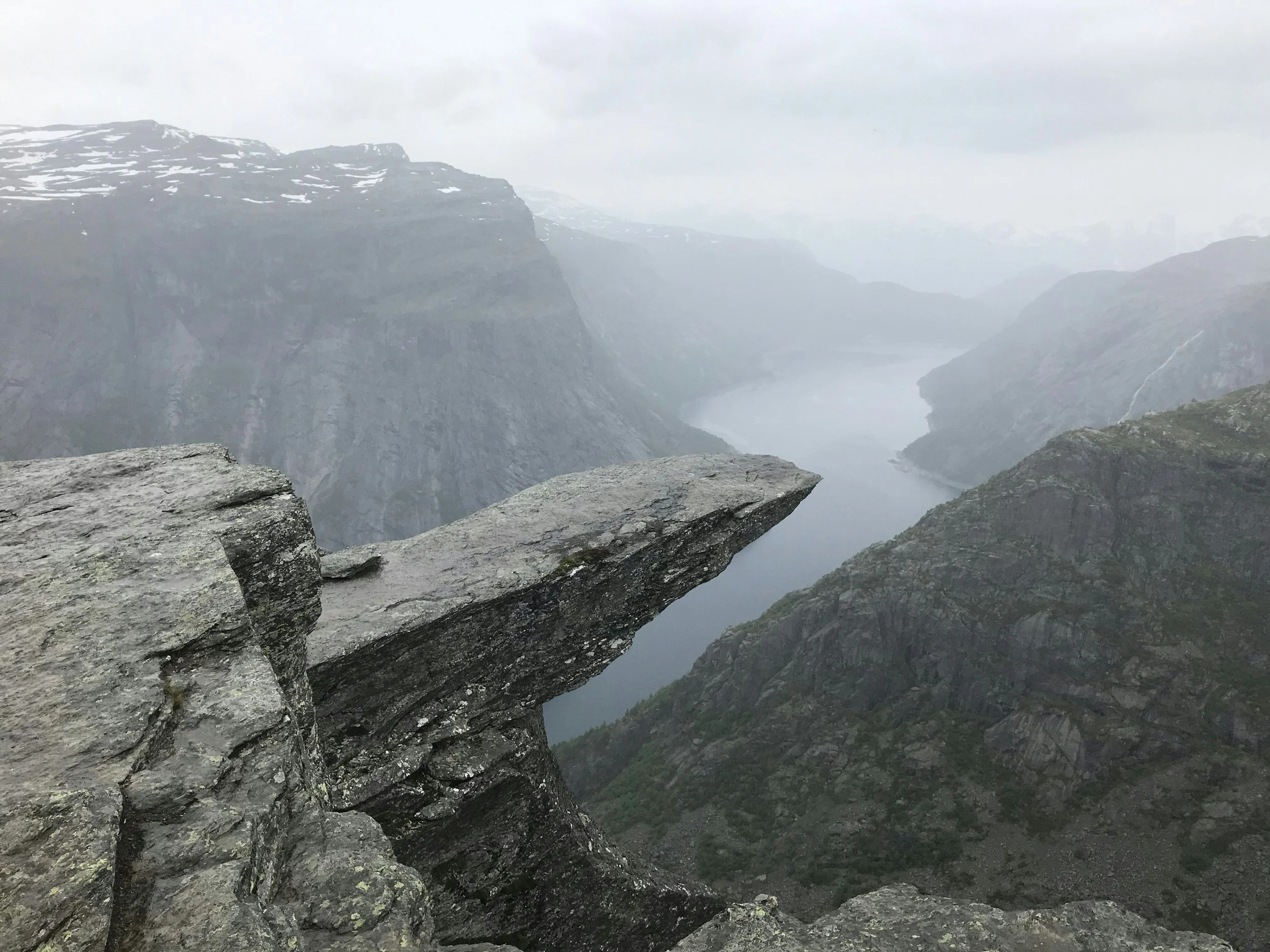
There are moments in business where you feel suspended between two realities.
On one side: progress, clarity, systems starting to work, a sense that the machine is finally learning how to run itself.
On the other: the constant proximity of collapse.
The last few months have felt like that.
We’ve built rhythm into the business. Processes are tighter, decisions are more deliberate, and there is a sense that we’ve finally found a groove. Yet despite that, each month still carries the same tension — the edge of financial uncertainty, the pressure of making everything align just in time.
Bank balances rise and fall like a tide you never fully trust. Bills arrive on schedule, wages are non-negotiable, and the responsibility of making sure everyone gets paid sits quietly in the background of every decision. You carry not just your own risk, but the livelihoods of others.
That weight is not abstract. It is constant.
Last year was a push in every sense of the word. In quieter moments, the idea of a normal job — predictable income, clear boundaries, no constant financial calculus — starts to look less like a fallback and more like an illusion of peace.
Even the way we seek answers has changed. Questions that once would have been internal are now directed outward, sometimes even to systems like AI, asking it to behave like a CFO and give an unfiltered view of the numbers. The response is rarely dramatic. Not disaster. Not safety. Just: give it time. Another six months. Keep adjusting.
And that is where the tension sits.
Because there are signs of improvement. The adjustments we’ve made are starting to show up in the numbers. Slowly, unevenly, but genuinely. At the same time, the external environment continues to tighten. Costs rise. Demand shifts. Flooring, like much of the discretionary trades sector, is not immune to economic hesitation. The slowdown is not isolated — it is shared across the industry.
You hear the same story from others in the field. It is not just you. It is the climate.
So the question becomes less about whether things are difficult, and more about what kind of difficulty this is. A temporary cycle, or a structural shift. A dip, or a new normal.
On the other side of that uncertainty sits a different kind of thought: if we can survive this, adapt through it, and reach the other side of whatever cycle this is, then the resilience built will not be theoretical. It will be proven.
The business carries no debt. That matters. It means there is still runway, still space to adjust, still time to respond rather than react. But time alone is not a strategy.
In industries under pressure, survival stops being about growth and starts being about endurance. The strongest, or the most adaptable, tend to remain.
The only real question left is whether we are one of them.
And for now, we are still here.